In this guide
Write a short Fintwist / Corpay Prepaid name note without implying that every account term changed.
Start with the reader’s confusion
An employee can encounter Fintwist on an older card instruction and Corpay Prepaid on a current public page. An HR writer needs to explain why both names appear without asking the employee to trust a new message merely because it uses the newer name. The official public website establishes the name transition. It does not establish that a particular employee received a replacement card, changed issuers or accepted revised terms.
Build a two-part note
Put the verified naming fact first. Put the action boundary second: use the established employer channel and the information supplied with the actual card for account-specific instructions. Avoid a prominent account-access button inside an unofficial article. A good note lets someone recognize a familiar subject while preserving the separate step of verifying the destination. Keep company names as searchable text rather than only as a logo image.
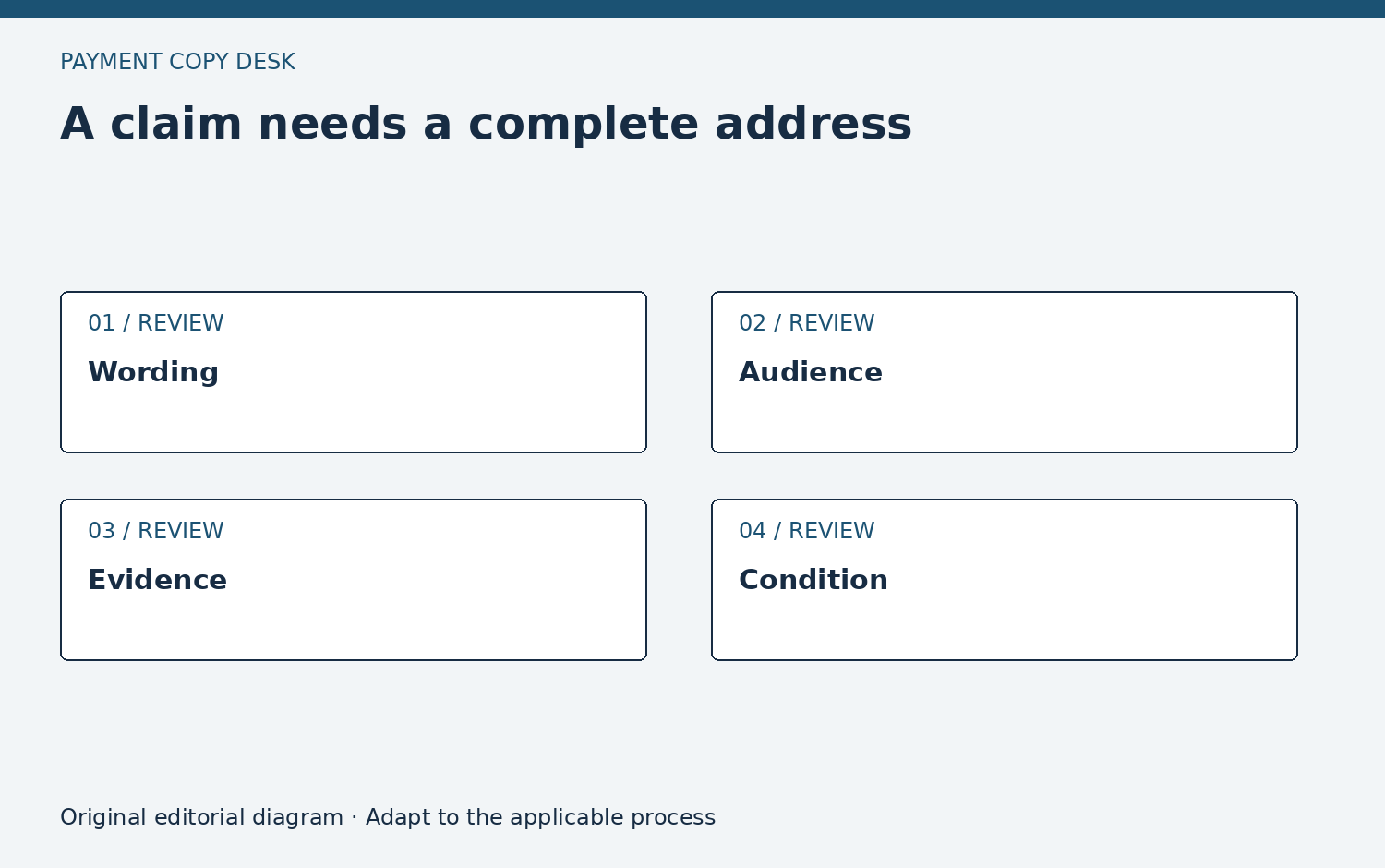
Keep operational changes separate
A branding announcement and a payroll change notice should not share an undifferentiated list of consequences. If the employer is separately changing a process, identify that change, its effective date, the affected employee group and the employer contact who can confirm it. Do not let a paragraph about the public rebrand become evidence that payday, routing details, card delivery or fees will change. Those assertions each need their own source.
When old and new names appear together
Keep a small naming key for the people who maintain workplace materials. It can distinguish the current public provider name, a historical title quoted from an older document and the employer’s own internal program label. Those labels may coexist legitimately. The key should tell writers when to preserve an old title for accurate attribution and when to update the surrounding explanatory text. Replacing every occurrence of Fintwist automatically could make a historical document harder to identify or imply that its contents were reissued. Conversely, leaving an old heading unexplained can make a current official destination look unfamiliar. The editorial decision is about recognition and provenance, not a determination that the underlying account has changed.
Review a hypothetical draft
Suppose a draft says, “Your Fintwist card has moved; activate your new account today.” The public naming statement cannot support either a mandatory activation or a new account. Replace the unsupported action with a neutral explanation of the names. If an actual employer-issued instruction requires action, cite that instruction separately and have its owner review the wording before distribution.
A useful question from a supervisor
Suppose a supervisor asks whether staff should discard an older instruction sheet. The name alone is insufficient evidence. Ask which instruction, which employee group and which process the sheet describes. Compare its substantive directions with the current authorized employer materials, then have the responsible owner decide whether it is still applicable. If the only confirmed change is the public name, explain that limited fact and leave the operational question open. A concise note can say where the current employer-approved materials are kept while the older sheet is reviewed. That is more useful than giving a confident yes or no based on branding and avoids creating a new task for employees without verified justification.
Before sending
Check the two names against the current official page; identify the audience and source date; remove unsupported account instructions; make the employer contact distinguishable from the independent publisher. Ask a colleague to read only the first two sentences and state what action, if any, they believe is required.
What this note cannot establish
This is an editorial method, not a card migration instruction. A source-check date means the writer reviewed a public page. It is not proof that every employee’s agreement, app screen or card design has been examined. Keep the note easy to amend when the official statement changes.
Reusable work card
Use these prompts in your organization’s approved process. They request no private account information and do not authorize a payment or account change.
- Name the employee group the note addresses, including any program distinction the employer knows is relevant.
- Copy the current official naming fact into the evidence register and record the public page reviewed.
- List every action implied by the draft, then identify a separate source for each required action.
- Keep the established employer question route visible so employees do not mistake the writer for account support.
- Check the subject line and preview text; a careful body cannot repair an alarming unsupported heading.
- Remove the old notice from controlled locations only through the employer’s approved document-management process.